
What we help with · Oklahoma City, Oklahoma
The service register
Eight services covering the properties in the Oklahoma City metro actually face. Each page explains what the work involves, what it costs in the Oklahoma City market, and the questions worth asking before you sign anything.
Eight entries, one per kind of work
Every service below is performed across the metro. Multifamily and commercial work is quoted facility by facility; houses are quoted off the inspection.
-
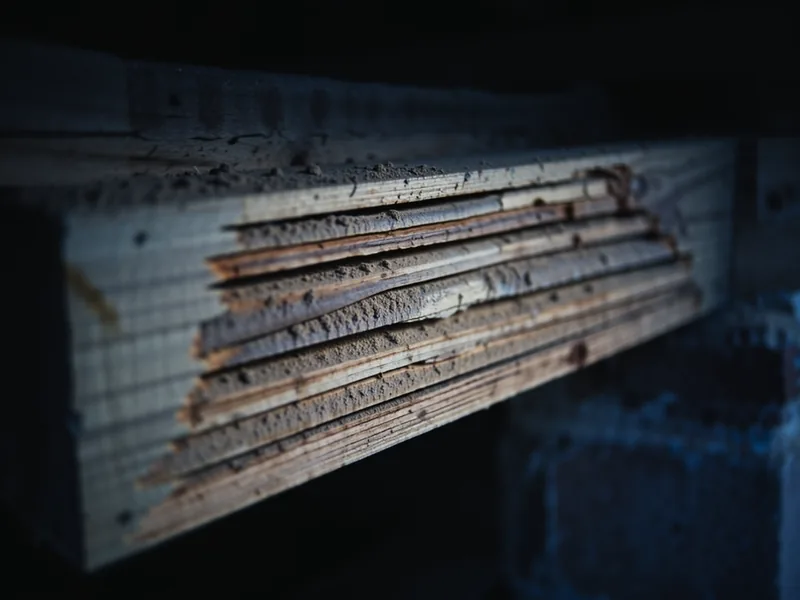
Termite Control & Inspection
Inspection, soil treatment and monitoring across four eras of homes on red-bed clay Estimates $0 to $150 per inspection -

Mosquito & Tick Control
Seasonal programs for reservoir-side lots, irrigated lawns and shaded gardens Estimates $500 to $1,200 per season -
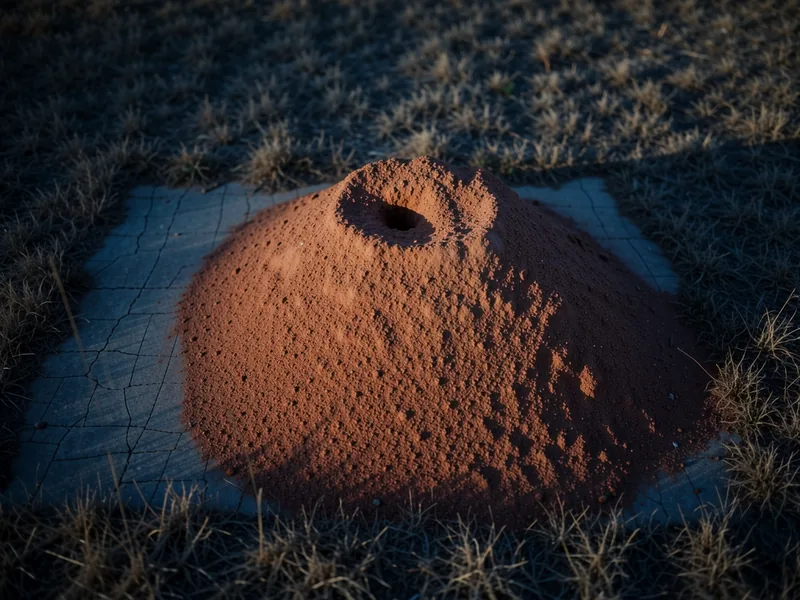
Ant Control
Species first: kitchen trails, carpenter ants and fire ant mounds across the metro Estimates $150 to $350 per visit -
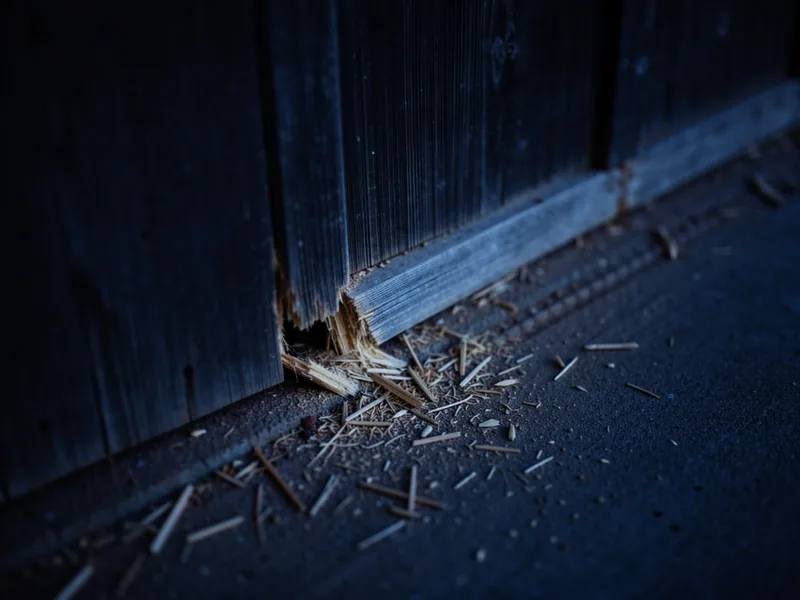
Rodent & Cockroach Control
Trapping, exclusion and building-wide work: mice, rats and German roaches Estimates $175 to $400 per job -

Bed Bug Treatment
Heat and conventional treatment, unit and building level, handled discreetly Estimates $75 to $200 per unit -
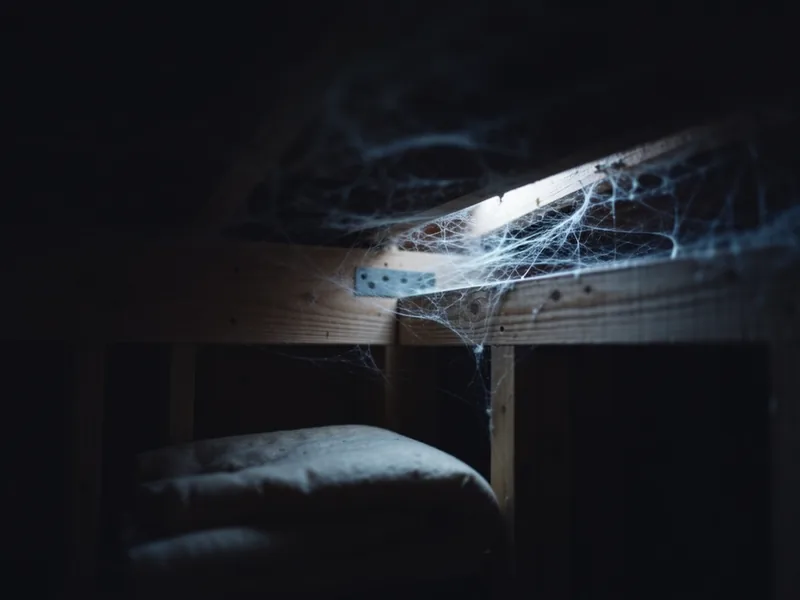
Spider Control: Brown Recluse
Living inside brown recluse range: reducing spiders and removing hiding places Estimates $150 to $350 per visit -
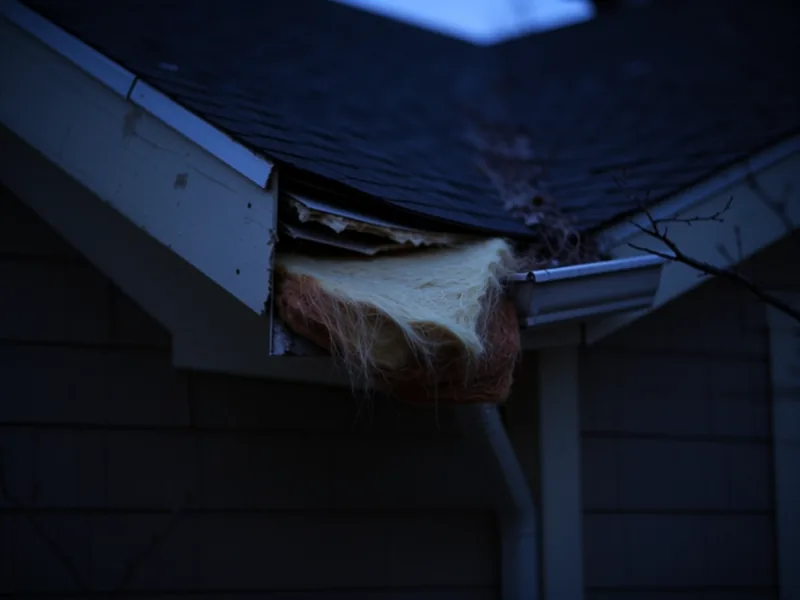
Wildlife Removal & Exclusion
Squirrels, raccoons, skunks and snakes: humane removal and permanent exclusion Estimates $150 to $350 per job -

Commercial Pest Control
Audit-ready documentation for restaurants, multifamily, healthcare and warehouses Estimates $125 to $400 per month
Start with the pest, not the service
Services are organized by the work involved. Pests are organized by what you are actually looking at. If you know the pest, this ledger will point you at the right service.
- Winged swarmers indoors in spring, usually after warm rain Eastern subterranean termites
- Sightings in the garage, at the attic hatch or in stored items Brown recluse spiders
- Droppings like black pepper in cabinet corners and along drawer tracks German & American cockroaches
- Bites appearing overnight in clusters or lines Bed bugs
- Droppings in drawers, under sinks and along baseboards Mice & rats
- Biting activity at dawn and dusk in shaded, damp areas Mosquitoes
- Ticks on pets or people after yard time Ticks
- Trails along baseboards, sinks and counter edges Ants: house and carpenter
- Mounds appearing in lawn, along driveways and at fence lines Red imported fire ants
- Scratching or thumping overhead at dawn and dusk Wildlife: squirrels, raccoons, skunks
- Steady traffic to one point on the eave, soffit or wall Wasps & hornets
- Scorpions indoors in bathrooms, laundry and at baseboards at night Striped bark scorpions
When to call and when to wait
Call now
- Termite swarmers indoors, or discarded wings on windowsills
- A suspected brown recluse or black widow bite
- Bed bug signs: stains, shed skins or bites on waking
- Wildlife in the attic or a snake inside the house
- Scratching above ceilings or droppings in drawers
- A failed health inspection or third-party audit
Worth planning ahead
- Annual termite inspection: book in winter for the easiest scheduling
- Mosquito program: start in April before populations build
- Fire ant treatment: before the first major rain of the season
- Spider treatment: book in August for September
- Rodent exclusion: complete before the first cold snap
- Quarterly general pest service: any time; it is preventive by design
Questions before the first visit
-
What does pest control cost in Oklahoma City?
These are estimates, not quotes. To get a real number, get matched quotes from three local providers on the same job spec: same property, same scope, same warranty term. What moves the number: foundation type, whether the building shares walls, how many exclusion openings there are, and the warranty term. A quarterly general plan runs roughly $110 to $200; termite treatment on a typical slab home roughly $850 to $3,000; bed bug heat treatment roughly $1,300 to $2,800 per unit. Every service page carries its own table with the drivers named.
-
Should I sign a long-term contract?
For general pest service, a quarterly plan is usually better value than one-off treatments and does not need a long lock-in. For termite work, a warranty is expected, so read whether it is retreat-only or repair-and-retreat, how long it runs and whether it transfers when you sell. Avoid auto-renewing agreements with no review clause.
-
Does homeowner’s insurance cover termite damage in Oklahoma?
Almost never. Termite damage is classed as preventable maintenance and excluded by standard policies. That exclusion is the central reason preventive treatment earns its cost in a city with termites in every part of town.
-
How do I compare two quotes fairly?
Ask both providers the same three questions: what exactly is included, what follow-up is scheduled and is it in the price, and what the warranty covers. Compare those answers beside the total. A cheaper quote with no follow-up and a short warranty is usually the expensive one.
-
When is the best time of year to treat for termites?
Late winter or early spring, before swarm season. Treatment can be done year-round, but booking early avoids the spring rush and puts protection in place before colonies become most active. Winter inspections are also easier to schedule.
-
How often should pest control be done?
Quarterly for general pest service, annually for termite inspection, every 21 to 30 days through the mosquito season from April into September, one treatment plus follow-up for bed bug or exclusion work, and monthly to quarterly monitoring for rodents depending on the rodent activity.