
Oklahoma County · the metro · five coverage pages
Areas in this guide
Oklahoma City’s limits sprawl wider than almost any American city’s. Decades of annexation folded prairie and farmland inside the municipal line, so open grassland, outer-ring subdivisions and a dense urban core all belong to one city. These pages describe the area; provider availability must be confirmed separately.
- ≈ 700,000 residents inside the city limits
- ≈ 1.4M people across the metro
- 5 areas covered in detail
- 4 eras of homes, each with its own way in for pests
Five parts of Oklahoma City, five different jobs
The metro runs from early-1900s bungalows near the core to warehouse lofts in Bricktown, irrigated oak lots in the inner suburbs, reservoir-side subdivisions to the northwest, and storm-tested slab homes down the I-35 corridor toward Moore. Each part of town has its own pest story, and each has a page.
- Area notes →
Heritage Hills & Mesta Park
Early-1900s bungalows a mile from downtown, on raised foundations with crawl space
That combination is the whole pest story. A hundred-year-old crawl space that has been quietly taking on moisture for decades draws termites, and decades of undisturbed attic and garage storage draws brown recluse. The two problems look unrelated from the outside and share one cause: old wood, close to soil, left alone.
- Area notes →
Bricktown, Deep Deuce & the downtown lofts
Warehouse conversions and shared-wall apartments where pests are a building problem
Pests in these buildings behave differently than in any detached house, because the pests do not respect a lease line. Cockroaches and mice follow shared utility runs between units, and bed bugs travel unit to unit through shared walls and shared laundry. Treat one apartment and the building keeps its problem.
- Area notes →
Nichols Hills & Crown Heights
1920s and 1930s houses on big lots under mature oaks, watered all summer
Irrigation is what changes the pest picture. Foundation plantings kept wet all summer concentrate termites and ants at the exact point where wood meets soil, and shaded, irrigated yards are where mosquitoes spend their days.
- Area notes →
The northwest corridor: Lake Hefner & Lake Overholser
Postwar and new subdivisions within a street or two of open reservoir water
Near Lake Hefner and Lake Overholser, inspect containers and low spots that hold water after rain. Reservoir proximity alone does not establish a breeding source or a higher mosquito count at a home.
- Area notes →
The south side & the I-35 corridor toward Moore
Postwar ranch homes and later subdivisions on the corridor that took the metro’s tornadoes
Two forces drive pest work here. Storm-damaged structures (torn soffits, lifted shingles, debris) leave buildings open to rodents and overwintering insects. And expansive red-bed clay cracks through the drought-and-deluge cycle this climate runs, and slab settlement in that clay is an invisible termite and ant route until an inspection finds it.
Pest patterns across the metro
Regional observations that apply citywide; the neighborhood pages carry the block-level detail.
-
Downtown lofts and Bricktown warehouse conversions share walls, plumbing chases and loading areas; treat roach and rodent work there as a building project, because a unit-by-unit treatment leaves the source untouched.
-
Bungalows in Heritage Hills and Mesta Park should get an annual termite inspection and a crawlspace moisture check; original sills and decades of undisturbed storage are exactly the brown recluse and termite setup.
-
Near Lake Hefner or Lake Overholser, empty water-holding containers and inspect low spots after rain. Choose mosquito service based on identified breeding sites and biting activity, not distance to the reservoir alone.
-
After a tornado or ice-storm outbreak (the 2013 tornado tore through Moore and the south-side corridor), torn soffits, lifted shingles and storm debris are open doors for rodents and overwintering insects. Have rooflines and outbuildings looked at in the weeks after a storm.
-
Businesses in Stockyards City and along the Bricktown canal should check waste storage, spills and delivery openings. Nearby homes should inspect their own conditions rather than assume that commercial neighbors establish an infestation.
-
South-side slab homes on expansive red-bed clay crack in the drought-and-deluge cycles this climate runs. Those settlement cracks are invisible termite and ant routes until an inspection finds them.
What we do across the Oklahoma City metro
-
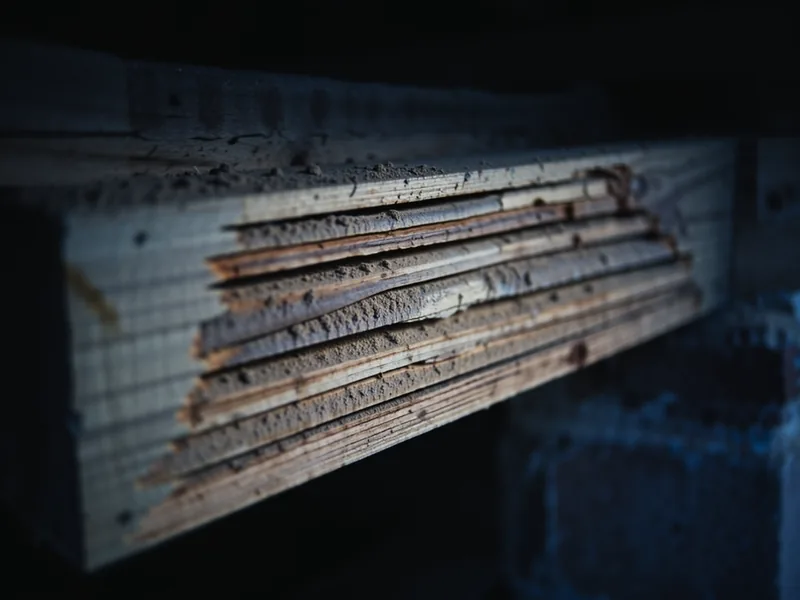
Termite Control & Inspection
Inspection, soil treatment and monitoring across four eras of homes on red-bed clay Estimates $0 to $150 per inspection -
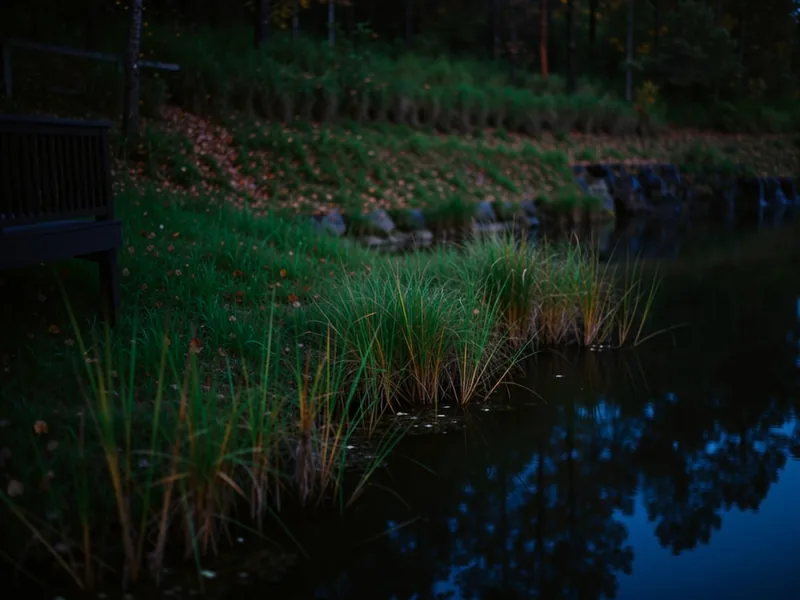
Mosquito & Tick Control
Seasonal programs for reservoir-side lots, irrigated lawns and shaded gardens Estimates $500 to $1,200 per season -
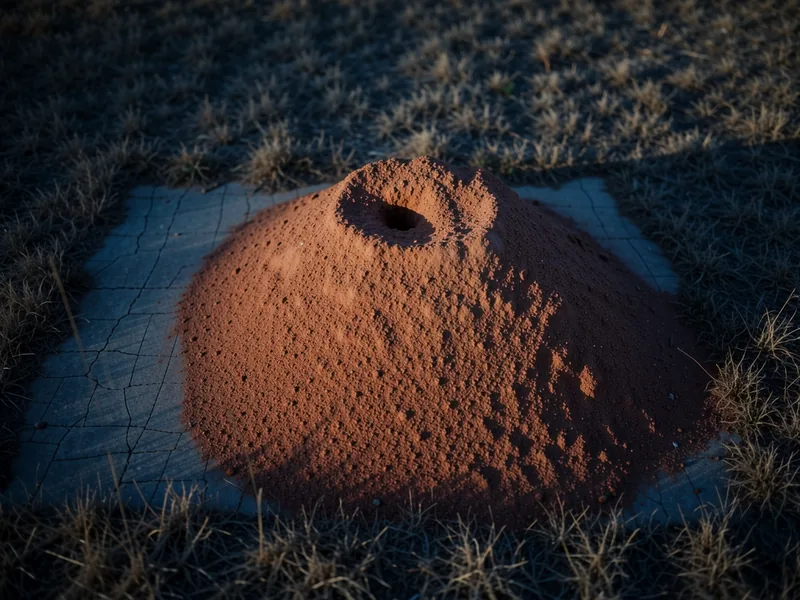
Ant Control
Species first: kitchen trails, carpenter ants and fire ant mounds across the metro Estimates $150 to $350 per visit -
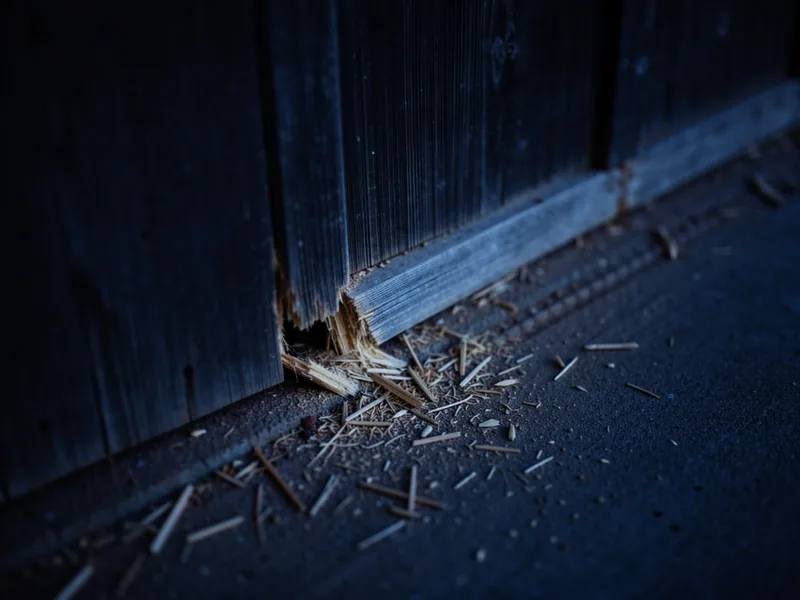
Rodent & Cockroach Control
Trapping, exclusion and building-wide work: mice, rats and German roaches Estimates $175 to $400 per job -

Bed Bug Treatment
Heat and conventional treatment, unit and building level, handled discreetly Estimates $75 to $200 per unit -
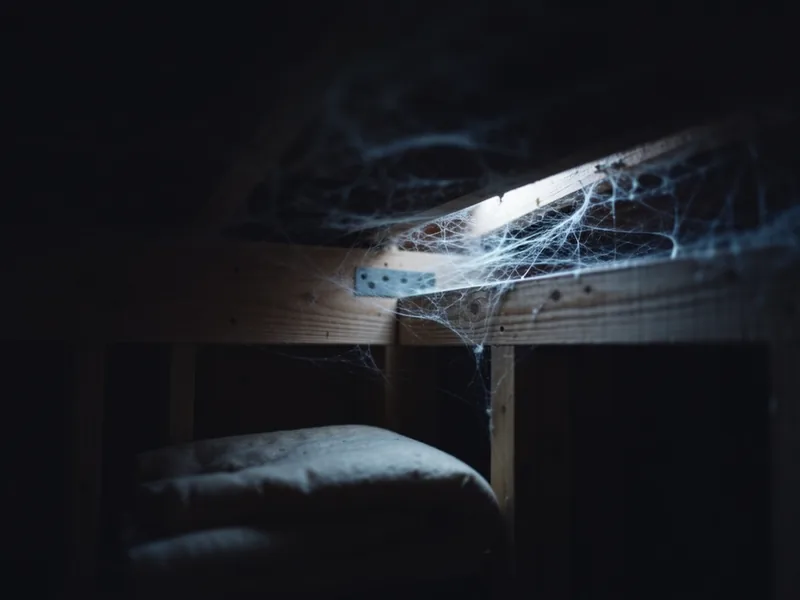
Spider Control: Brown Recluse
Living inside brown recluse range: reducing spiders and removing hiding places Estimates $150 to $350 per visit -
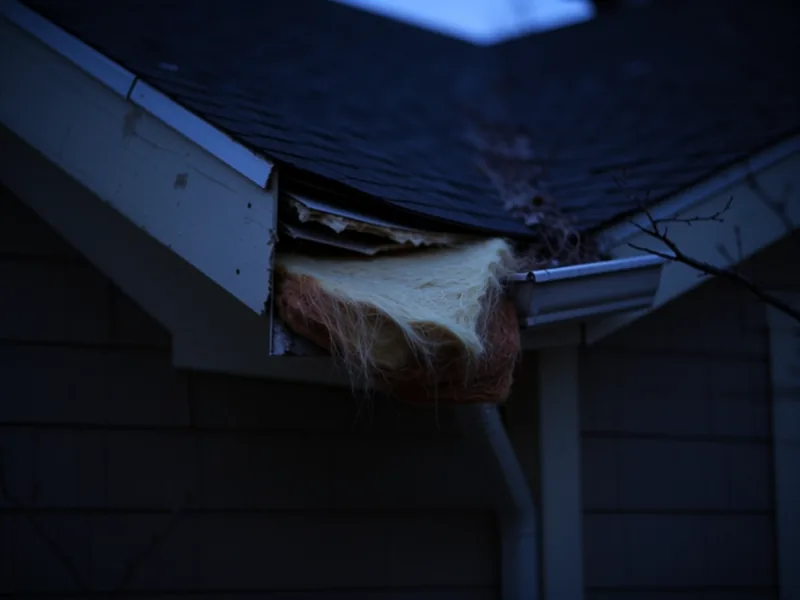
Wildlife Removal & Exclusion
Squirrels, raccoons, skunks and snakes: humane removal and permanent exclusion Estimates $150 to $350 per job -
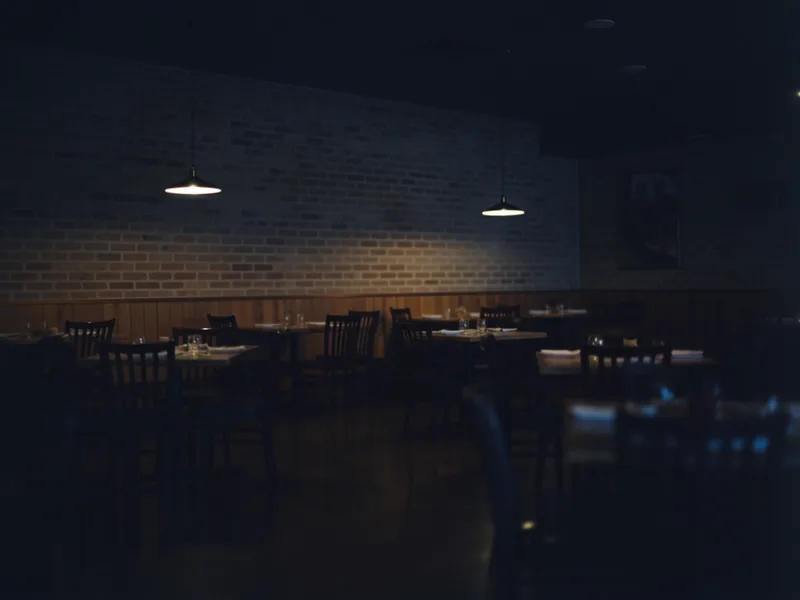
Commercial Pest Control
Audit-ready documentation for restaurants, multifamily, healthcare and warehouses Estimates $125 to $400 per month